Unlocking Ethereal Aesthetics with Pastel Holographic Glitter Alcohol Ink
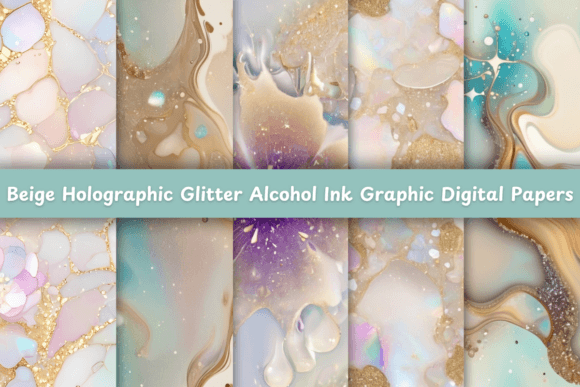
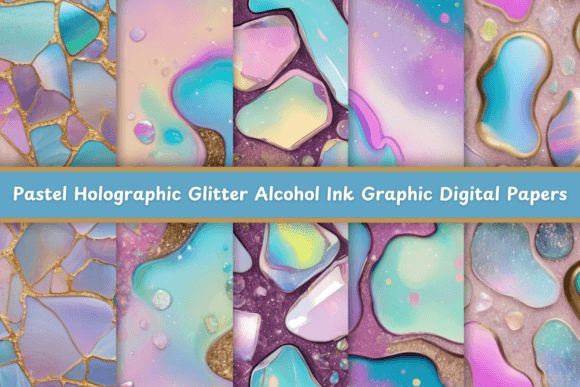
The search for a texture that captures both softness and futuristic shimmer ends with Pastel Holographic Glitter Alcohol Ink. This unique visual style bridges the gap between delicate, dreamy color palettes and the dynamic, light-bending properties of holographic effects, offering graphic designers a powerful tool to create assets that feel both premium and playful. In an era where visual hierarchy and user engagement are paramount, incorporating these iridescent textures can instantly elevate a project from standard to spectacular, providing a modern aesthetic that catches the eye and holds attention.
Transforming Visual Communication
In the realm of modern graphic design, texture is not merely decoration; it is a storytelling element. The fluid, organic nature of alcohol ink combined with the structured sparkle of holographic glitter creates a sophisticated contrast. This style is incredibly effective for establishing a distinct brand identity, particularly for products targeting younger demographics, beauty industries, or tech-forward markets. The pastel undertones soften the visual impact, ensuring that while the design is vibrant, it remains approachable and easy on the eyes, which is crucial for maintaining readability in editorial design and web design.
When applied to digital marketing, these textures act as magnetic focal points. Whether used as a full background or a subtle accent, the shifting colors inherent in holographic designs guide the viewer's gaze, improving the visual flow of a composition. For social media graphics, where scroll-stopping power is essential, the reflective quality of these papers mimics the popular "holo" trend seen in beauty and lifestyle photography, creating an immediate connection with trend-aware audiences.
Practical Applications for Creative Professionals
The versatility of a high-quality digital paper pack allows for seamless integration across various mediums. A curated set of 22 JPG files at 3600x3600 pixels and 300 DPI ensures that designers have the resolution necessary for both digital screens and high-end print design. This scalability is vital for maintaining professional standards, whether you are designing a small sticker or a large-scale wall art installation.
Consider these practical applications to maximize the value of these creative assets:
- Packaging Design: Use these textures to create unboxing experiences that feel luxurious. The holographic effect suggests high value, making it perfect for cosmetic boxes, tech accessories, or gift wrapping.
- UI and Web Design: Implement these gradients as hero backgrounds for landing pages. They add depth and interest without overwhelming the user interface, provided they are balanced with clean typography and whitespace.
- Stationery and Merchandise: From planner stickers to hardcover journal designs, the seamless pattern ensures that the texture can be tiled or scaled to fit any physical product without visible breaks.
- Editorial Layouts: Use these papers as chapter dividers or pull-quote backgrounds in magazines and books to add a tactile, artistic feel to the reading experience.
Integrating Texture into Your Design Workflow
To effectively utilize Pastel Holographic Glitter Alcohol Ink, designers must consider the broader composition. These textures work best when they support, rather than dominate, the core message. A key tip for effective integration is to pair these high-energy backgrounds with clean, sans-serif typography. The contrast between the organic, glittering background and sharp, legible text creates a sophisticated visual hierarchy that ensures the message is communicated clearly.
Furthermore, color palette management is essential. Since holographic textures contain a spectrum of shifting colors, the accompanying design elements should be relatively neutral or pulled directly from the subtle pastel tones within the ink. This ensures cohesion across the brand identity. When creating PowerPoint backgrounds or presentation decks, using these textures in moderation—perhaps just in the header or footer—prevents visual fatigue while maintaining a polished, professional presentation style.
Ultimately, the goal of design is to evoke emotion and facilitate communication. By incorporating high-resolution, textured assets like these alcohol ink papers, creators can add a layer of sensory richness to their work. This attention to detail signals quality and creativity, helping your projects stand out in a crowded marketplace and leaving a lasting impression on your audience.