Notion Crafting Clarity Checklist: A Designer's Blueprint
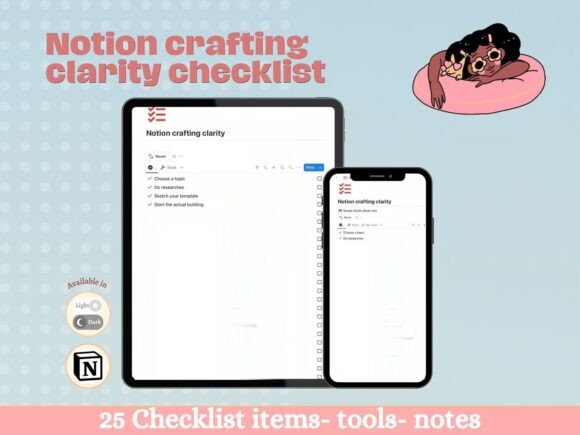
Imagine transforming your chaotic design process into a streamlined, repeatable system that consistently produces polished, professional work. That’s the power of the Notion Crafting Clarity Checklist, a tool born from a five-month journey of self-discovery and practical application. As a designer who once struggled to navigate the vast potential of Notion, I created this checklist to bring order to the creative process, and the results were transformative. In just five months, it helped secure over 130 downloads on a personal store, proving its value for any creator looking to enhance their workflow and output.
Why a Checklist Matters in Modern Design
In the fast-paced world of graphic design and digital creation, consistency is king. Whether you're developing a brand identity, designing social media graphics, or laying out an editorial piece, the risk of overlooking critical details is high. A structured checklist acts as a safeguard, ensuring every creative project meets a standard of quality. It enforces visual hierarchy, reinforces brand guidelines, and maintains the integrity of your design workflow. For designers, marketers, and business owners, this means fewer revisions, clearer communication, and a more professional final product.
Practical Applications Across Creative Fields
The versatility of a clarity checklist extends across numerous design disciplines. Its core function—to break down complex tasks into manageable, verifiable steps—applies universally.
- Branding & Logo Design: Ensure every logo variant, color palette application, and typography pairing aligns with the core brand strategy before final delivery.
- Marketing & Advertising: Systematize the creation of campaign assets, from digital ads to print brochures, guaranteeing message consistency and visual impact.
- Web & UI/UX Design: Use it to audit user interfaces for accessibility, responsiveness, and alignment with UX design principles, enhancing the overall user experience.
- Packaging & Print Design: Double-check dielines, color specifications (CMYK/PMS), and typography scalability to avoid costly production errors.
- Digital Products & Presentations: Structure the creation of templates, slide decks, and digital assets to ensure they are intuitive, visually engaging, and ready for market.
Integrating the Checklist into Your Process
Adopting the Notion Crafting Clarity Checklist is simple and customizable. Its design allows you to add your own tools, notes, and project-specific criteria. As you complete each task, checking it off makes it disappear, creating a clean, focused workspace. This dynamic approach prevents the overwhelm of a static to-do list and promotes a sense of progress. For a designer, this could mean adding a step to verify color contrast ratios for web accessibility or a reminder to export assets in all required file formats for a client. It’s about building a personalized system that adapts to your unique creative needs.
Tips for Effective Design Systematization
To maximize the value of any checklist or system, consider these principles:
- Start with Strategy: Define the project's goal and target audience first. Every design choice, from color palette to imagery, should serve this strategy.
- Prioritize Consistency: Use your checklist to enforce the use of established brand assets, type scales, and grid systems. Consistency builds recognition and trust.
- Embrace Iteration: A checklist isn't about stifling creativity but about providing a framework for it. Use it to review and refine your work systematically.
Ultimately, the goal of any creative tool or process is to elevate the work itself. By implementing a structured approach like the Notion Crafting Clarity Checklist, you invest in the quality and clarity of your visual communication. It shifts the focus from remembering steps to mastering the craft, allowing you to produce designs that are not only aesthetically pleasing but also strategically sound and professionally executed. This mindful approach to design is what separates good work from great, impactful work that resonates with its audience and achieves its intended purpose.