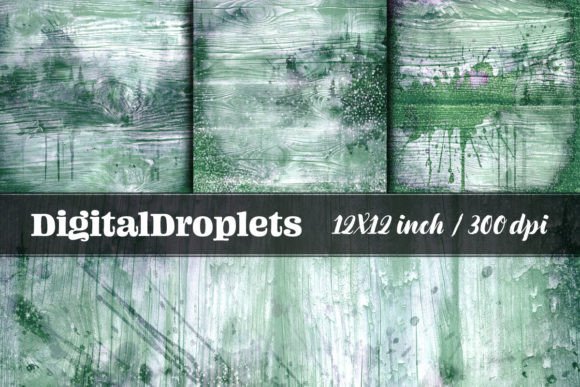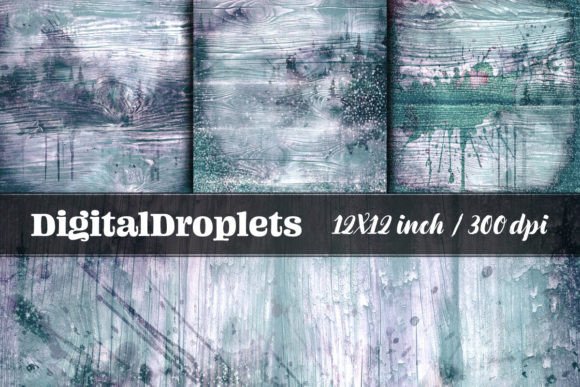
Into the Forest Vol.6 | Collection: A Designer's Guide
Every compelling design project starts with a foundation of texture, depth, and narrative. The Into the Forest Vol.6 | Collection offers precisely that, providing a sophisticated toolkit for creators seeking to infuse their work with organic elegance and timeless appeal. This curated set of 20 high-resolution papers, featuring intricate wooden board patterns layered over vintage paper textures and subtle woodland landscapes, serves as a versatile asset for a wide range of creative applications. Understanding how to leverage such assets is key to elevating visual communication and achieving a professional finish.
The Role of Textured Assets in Modern Visual Design
In an era dominated by flat digital interfaces, incorporating tactile elements can significantly enhance user experience and brand perception. Textures like those in the Into the Forest Vol.6 | Collection add a layer of warmth and authenticity, breaking the monotony of sterile backgrounds. This approach aligns with contemporary design trends that value depth, handcrafted aesthetics, and visual storytelling. For graphic designers, these assets are not mere decorations; they are strategic tools for establishing mood, guiding the viewer's eye, and creating a memorable brand identity.
Practical Applications Across Creative Projects
The true value of a resource like this collection lies in its adaptability. Consider its utility across various domains of design and marketing:
- Branding & Identity: Use these papers as backgrounds for business cards, letterheads, or brand mood boards to convey a sense of heritage, nature, or craftsmanship. The subtle woodland landscapes can reinforce brand stories centered on sustainability, adventure, or rustic charm.
- Marketing Collateral: Elevate flyers, brochures, and posters. The wooden board texture provides an excellent, non-distracting base for overlaying text and logos, ensuring high readability while adding visual interest.
- Digital & Social Media: Create scroll-stopping graphics for Instagram, Pinterest, or blog headers. The 12x12, 300dpi format is perfect for high-quality digital displays, helping to maintain a cohesive and premium aesthetic across platforms.
- Editorial & Web Design: Implement as section backgrounds on websites or as textured elements in magazine layouts to improve visual hierarchy and break up long blocks of content, enhancing overall user engagement.
- Packaging & Merchandise: Apply to product labels, gift wrap, or merchandise mockups. The organic textures can make packaging feel more luxurious and intentional, directly impacting perceived product value.
Integrating Assets into a Cohesive Design Workflow
To maximize the impact of any creative asset, thoughtful integration is crucial. When working with the Into the Forest Vol.6 | Collection or similar resources, consider these professional guidelines:
- Maintain Visual Harmony: Ensure the texture's color palette and style complement your existing brand colors and typography. The muted tones of these papers often pair well with clean sans-serif fonts and earthy or neutral color schemes.
- Scale and Readability: Use the textures at an appropriate scale. For background use, they should support, not overpower, foreground elements. Always test text legibility over the pattern.
- Layering for Depth: Don't just use the paper as a flat background. Experiment with layering it at reduced opacity, applying blend modes, or masking portions to create unique compositions that add depth to your designs.
- Consistency is Key: Using multiple papers from the same collection, like the variations available in the shop, ensures visual consistency across a series of materials, strengthening brand recognition.
Ultimately, the strength of a design lies in the deliberate choice of every element. Resources like the Into the Forest Vol.6 | Collection provide a high-quality starting point, but it is the designer's skill in application—considering context, audience, and objective—that transforms a good design into a great one. By thoughtfully incorporating textured assets, professionals can create work that is not only visually stunning but also communicates more effectively and resonates on a deeper level.